Exploring the fascinating intersection of facial anatomy, cellular biology, microcurrent, radiofrequency and light therapy.
Elemental Healing Solutions | Evidence-Based Health, Beauty & Wellness
Affiliate disclosure: As an Amazon Associate, I earn from qualifying purchases. This article may contain affiliate links through which I earn a commission at no additional cost to you. My discussions of these products are guided by scientific evidence, biological plausibility and clinical experience.
A Conversation With My Mom That Got Me Thinking…
Recently, my mom bumped into a few former coworkers while out running errands. As often happens when old friends reconnect, their conversation eventually turned to how much they felt they had aged, particularly around their necks, jawlines and lower faces.
They enthusiastically told her about a procedure their dermatologist, whom they absolutely love, had performed on them called the Nefertiti lift.
Naturally, my mom came to me asking about it.
“Mom, I’ve actually done that on you before. Several times!”
Having spent 16 years practicing medical, surgical and cosmetic dermatology, I’ve performed countless neuromodulator treatments. I’ve treated my mom’s lower face, mandibular border and platysmal bands with botulinum toxin on multiple occasions in an effort to improve the definition of her jawline and neck.
Unfortunately, it never produced a meaningful improvement for her, as it sometimes doesn’t with some patients who an experienced injector would screen out (But we must indulge our mothers, right? ;-)
And there is an anatomical reason for that.
A Nefertiti lift utilizes botulinum toxin to reduce the downward muscular traction exerted by the platysma along the lower face and neck. When that muscular activity is a significant contributor to changes in facial contour, this can be a beautiful, relatively conservative treatment.
But when the primary contributors are substantial skin laxity and loss of structural support, relaxing a muscle can only accomplish so much.
So, we revisited her other options.
I recommended radiofrequency microneedling, such as Morpheus8 (which we had done 9 years ago with great results at the time), or potentially erbium:YAG laser resurfacing to encourage collagen remodeling and improve aspects of skin firmness and texture.
She didn’t want the downtime or the cost.
“What about a really good cream?” she asked.
Now, here’s where I had to laugh.
I’ve been prescribing my mom tretinoin for nearly 17 years in an effort to keep her ahead of the curve. In that time, I think she may have refilled it four times. And even that is probably being generous, considering how infrequently she actually used it.
Moms really do make the worst patients. At least when their daughters are the ones providing the medical advice!
And now, after years of having access to one of the most extensively studied topical medications for photoaging, she was entertaining the idea that the latest trendy over-the-counter anti-aging cream might somehow accomplish more than her prescription tretinoin could.
I explained that while it’s never too late to start taking better care of your skin, it was a little too late to expect a cream to correct the degree of structural laxity that had already developed.
Prescription tretinoin has decades of research supporting its ability to improve photoaged skin, regulate epidermal differentiation, stimulate dermal collagen production and inhibit some of the pathways responsible for collagen degradation.
Most trendy cosmetic formulations simply do not have that depth of evidence. If I ever recommend a topical for the neck and decollette - it’s Nectifirm Advanced - but even that is “a drop in the bucket” as I like to describe - when I’m disuading patients who are past a certain age or skin quality status.
And even tretinoin, as wonderful as it is, cannot reposition descended facial fat compartments, restore resorbed bone, shorten stretched retaining ligaments or remove redundant skin.
We discussed a surgical neck lift, which could more directly address some of her structural changes.
But she wasn’t willing to go under the knife.
No injections that hadn’t already been tried. No downtime. No surgery. And preferably something she could apply at home.
Sound familiar?
Our conversation got me thinking.
What if we intervened earlier?
What if, instead of waiting until significant structural changes had already occurred, we began supporting our skin, connective tissue and facial musculature while we still had a little more runway?
And what about those who have already invested in professional aesthetic treatments? Could certain at-home technologies complement those treatments and potentially help maintain their improvements?
Perhaps these devices wouldn’t accomplish everything my mom was hoping for. But what about me? What about my patients who are beginning to notice subtle changes in their facial contours? Or those who have already undergone aesthetic procedures and would like to get a little more life out of their investment?
This curiosity sent me down a fascinating scientific rabbit hole.
Microcurrent. Nanocurrent. Electrical muscle stimulation. Radiofrequency. Red and near-infrared light therapy.
Some of these technologies cost less than a nice dinner. Others rival the cost of an in-office procedure.
But what are they actually doing beneath our skin?
And which ones are worth our time and money?
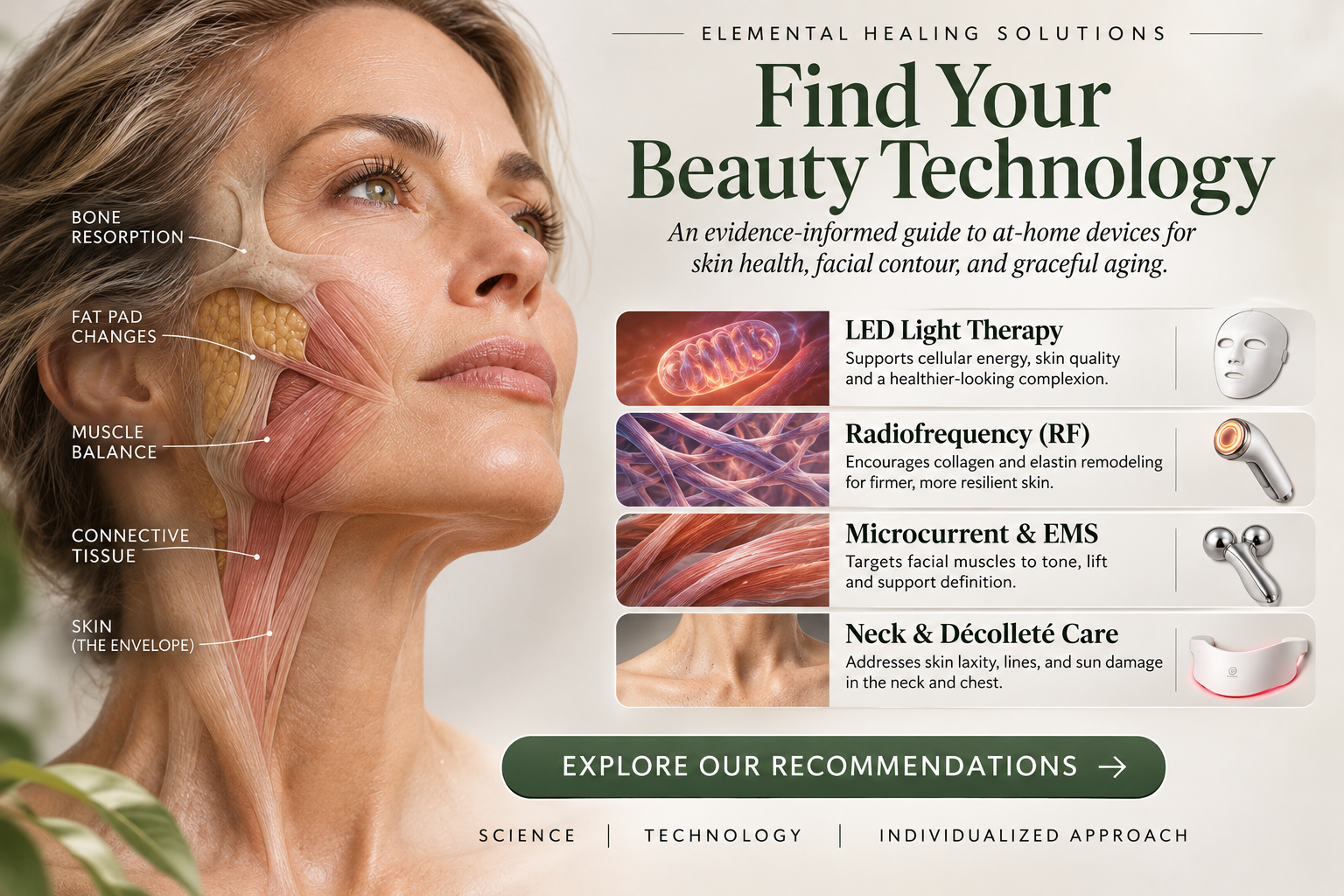
Click image to explore scientifically supported home devices for facial sculpting and collagen remodeling.
Do At-Home Facial Lifting Devices Really Work?
Certain at-home facial devices may improve skin firmness, elasticity, fine lines and aspects of facial contour, but their effectiveness depends on the underlying cause of facial aging and the technology being used.
Microcurrent utilizes low-level electrical stimulation, while neuromuscular electrical stimulation (EMS) can recruit facial muscles. Radiofrequency uses controlled tissue heating to encourage dermal remodeling, while red and near-infrared light therapy utilizes photobiomodulation to influence cellular signaling and skin health.
Although these technologies may offer benefits for mild skin laxity and healthy skin maintenance, none has convincingly demonstrated the ability to restore resorbed facial bone, replace lost fat compartments or reproduce the structural results of a surgical facelift.
The best at-home facial lifting device is therefore not necessarily the most powerful or expensive one. It is the one that appropriately targets your individual anatomical concerns.
Which is why: before we can answer those questions, we need to understand what we are actually trying to preserve.
1. Facial Aging: The Envelope and the Package Inside
One of the greatest misconceptions about facial aging is that it is simply a problem of the skin.
I like to think of our skin as an envelope.
The quality, thickness, elasticity, texture and coloration of that envelope are certainly important. But what happens to the envelope also depends on what is happening to the package inside.
Imagine a beautifully fitted fabric covering a multidimensional structure. If the underlying structure begins to lose volume, change shape or shift downward, the fabric will no longer drape in quite the same way.
You can improve the quality of that fabric. You can potentially make it more resilient. But treating the fabric alone will not restore the architecture underneath it.
Our faces are remarkably complex, three-dimensional structures composed of:
Bone
Deep and superficial fat compartments
Muscles of facial expression
Retaining ligaments
Fibrous connective tissue
Dermis and its extracellular matrix
Epidermis and its protective barrier
Each of these structures changes with age, sometimes independently and sometimes as a consequence of changes in another layer.[1]
This explains why two individuals of the same chronological age may have dramatically different patterns of facial aging and why the same cosmetic treatment may work beautifully for one person and accomplish very little for another.
Our Bones Are Remodeling, Too
We tend to think of our facial skeleton as a permanent framework, but bone is metabolically active tissue that undergoes remodeling throughout our lives.
With age, certain regions of the facial skeleton undergo selective resorption and architectural changes.
These changes can involve the orbital rims, maxilla, piriform aperture around the nose and mandible.[2]
The implications are more significant than many people realize.
Changes in orbital architecture may contribute to periorbital hollowing. Changes in maxillary projection can diminish support for the midface. Remodeling of the mandible can alter the appearance of the chin, mandibular angle and jawline.
As that underlying framework changes, the muscles, fat compartments and skin supported by it may also change position.
It is one of the reasons why simply tightening the skin or removing facial fat may not restore a youthful facial appearance.
Sometimes, the problem is not that there is too much tissue.
Sometimes, there is too little structural support beneath it.
Maintaining general skeletal health through adequate nutrition, resistance exercise, appropriate vitamin D and calcium intake, dental health and management of osteoporosis risk factors is important throughout adulthood.
However, no commercially available home facial device has convincingly demonstrated that it prevents age-related facial skeletal remodeling or restores lost facial bone.
The Fascinating Architecture of Facial Fat
Facial fat is not one continuous layer of tissue.
It is organized into distinct superficial and deep anatomical compartments, separated by fibrous septa and other connective tissue structures.
These compartments contribute to the smooth transitions, projections and contours that characterize an individual’s face.
As we age, different compartments may undergo different changes.
Some lose volume. Some become more prominent relative to their neighboring compartments. Others appear to shift position as their supporting structures change.
Longitudinal imaging studies support measurable changes in both superficial and deep midfacial fat volume over time.[3]
When deep medial cheek fat loses volume, for example, the superficial tissues above it may lose some of their underlying support. The resulting appearance can resemble descent or sagging even when volume depletion is an important contributor.
As individual compartments change at different rates, the transitions between them may become more visible. Hollows, grooves and shadows emerge.
This is sometimes described as facial deflation or compartmental separation, although the latter should not be interpreted as fat pads literally detaching from one another.
These changes may contribute to:
Temporal hollowing
More prominent tear troughs
Flattening of the upper cheeks
Deepening nasolabial folds
Marionette lines
Jowling
Changes in lower facial silhouette
This is why I become particularly cautious when I see beauty devices marketed indiscriminately for facial slimming or fat reduction. Even in-office devices such as Morpheus8 have pending lawsuits allegedly due to unexpected fat loss because the application of the device is entirely technician dependent and sometimes the technicians are not well trained in the physics of the devices or the science of facial anatomy.
Removing volume from beneath the chin may be desirable for one person. Removing volume from the cheeks of someone already experiencing age-related deflation could have the opposite effect.
Facial fat is not inherently undesirable. Its location, distribution and relationship to the surrounding structures are what matter.
The Role of Retaining Ligaments
Our facial soft tissues are supported by intricate networks of retaining ligaments and fibrous attachments.
These structures help anchor superficial tissues to deeper fascia and skeletal structures.
Age-related changes in connective tissue, fat distribution and skeletal support can alter the relationship between these attachments and the surrounding tissues.
As those relationships change, some areas remain relatively tethered while adjacent areas become more prominent or descend, creating increasingly visible folds and changes in contour.
Unfortunately, there is currently no convincing evidence that at-home microcurrent, EMS or LED devices can reliably shorten these ligaments or restore their original structural function.
Muscular Aging and the Importance of Balance
The face contains numerous muscles with very different anatomical functions.
Some elevate facial structures. Others depress them. Some contribute to chewing, while others control expression and the delicate movements around our eyes and mouth.
Unlike many skeletal muscles elsewhere in the body, muscles of facial expression frequently insert into skin and other soft tissues rather than connecting bone to bone.
This makes their interaction with the overlying tissues particularly interesting.
Aesthetic changes may reflect alterations in muscular tone, thickness, recruitment patterns or the balance between opposing muscle groups.
And just as exercising different muscles in the body produces different changes in physical appearance, conditioning different facial muscles could theoretically influence facial contours in different ways.
But stronger does not always mean more youthful.
A hypertrophied masseter may broaden the lower face. Excessive activity of lower facial depressor muscles may contribute to a downward appearance. Repetitive contractions can also contribute to dynamic wrinkles that gradually become visible at rest.
This is why controlled and anatomically appropriate muscular stimulation is far more interesting to me than the idea of simply exercising the entire face.
2. The Envelope: What Happens to Our Skin as We Age?
Meanwhile, the skin itself is undergoing its own biological changes.
Intrinsic aging and environmental exposure contribute to:
Reduced dermal collagen synthesis
Fragmentation and disorganization of collagen fibers
Alterations in elastin architecture
Changes in fibroblast function
Reduced barrier resilience
Chronic oxidative stress
Cellular senescence
Uneven pigmentation
Changes in cutaneous microcirculation
Ultraviolet radiation accelerates many of these processes through the generation of reactive oxygen species (pssst antidote = daily use of SkinMantra Vitamin C serum!) and activation of matrix metalloproteinases, enzymes involved in extracellular matrix degradation.
Over time, the skin becomes less capable of resisting mechanical deformation and recovering its original shape after being stretched.
This gives rise to two related but distinct concepts:
Firmness: The skin’s resistance to deformation.
Elasticity: The skin’s ability to recover its original shape following deformation.
Ideally, we want to preserve both.
We also want to preserve the integrity of the epidermal barrier, reduce cumulative photodamage and maintain relatively uniform skin coloration.
This is where certain topical therapies and at-home technologies may offer meaningful benefits.
But we must remember which layer we are treating.
Improving epidermal hydration is not the same as rebuilding dermal collagen. Increasing dermal thickness is not the same as repositioning facial fat. Improving muscle thickness is not the same as restoring skeletal support.
They are all potentially valuable outcomes, but they are not interchangeable.
3. Microcurrent: Exploring the Bioelectric Nature of Our Bodies
Our bodies are inherently bioelectrical.
Nerve conduction, muscular contraction, cellular communication and numerous aspects of tissue repair rely on electrical and electrochemical gradients.
Microcurrent technology attempts to influence certain biological processes by delivering very small electrical currents through the skin.
These currents are measured in microamperes (µA), with one microampere representing one-millionth of an ampere.
Cosmetic microcurrent devices generally operate below one milliampere, frequently providing stimulation that is barely perceptible.
Does Microcurrent Really Increase ATP Production?
One of the most frequently referenced studies in the microcurrent industry dates back to 1982.
Researchers examining the effects of direct electrical current on rat skin found that currents between 10 and 1,000 µA increased tissue ATP concentrations and amino acid incorporation into proteins. Currents between 100 and 750 µA also increased amino acid transport across cell membranes.[4]
ATP, or adenosine triphosphate, serves as the primary energy currency of our cells.
It supports protein synthesis, cellular repair, maintenance of ion gradients and countless other biological activities.
This research is fascinating and provides a biological foundation for studying electrical stimulation.
But it is important to recognize what the researchers actually demonstrated.
They studied rat skin under specific experimental conditions, not living human facial tissue treated with a commercially available cosmetic device.
The frequently advertised claim that microcurrent increases ATP production by up to 500% cannot automatically be applied to human facial skin or used as proof of collagen regeneration.
Is a Stronger Microcurrent Device Better?
Not necessarily.
Advertised current amplitude is only one part of the equation.
We must also consider:
Electrical waveform
Pulse duration
Frequency
Electrode size and spacing
Current density
Tissue impedance
Total treatment duration
A device delivering a higher peak current may not deliver a more appropriate biological stimulus.
There is also no established minimum microcurrent threshold that has been proven to produce sustained facial lifting in humans.
Popular Microcurrent Devices
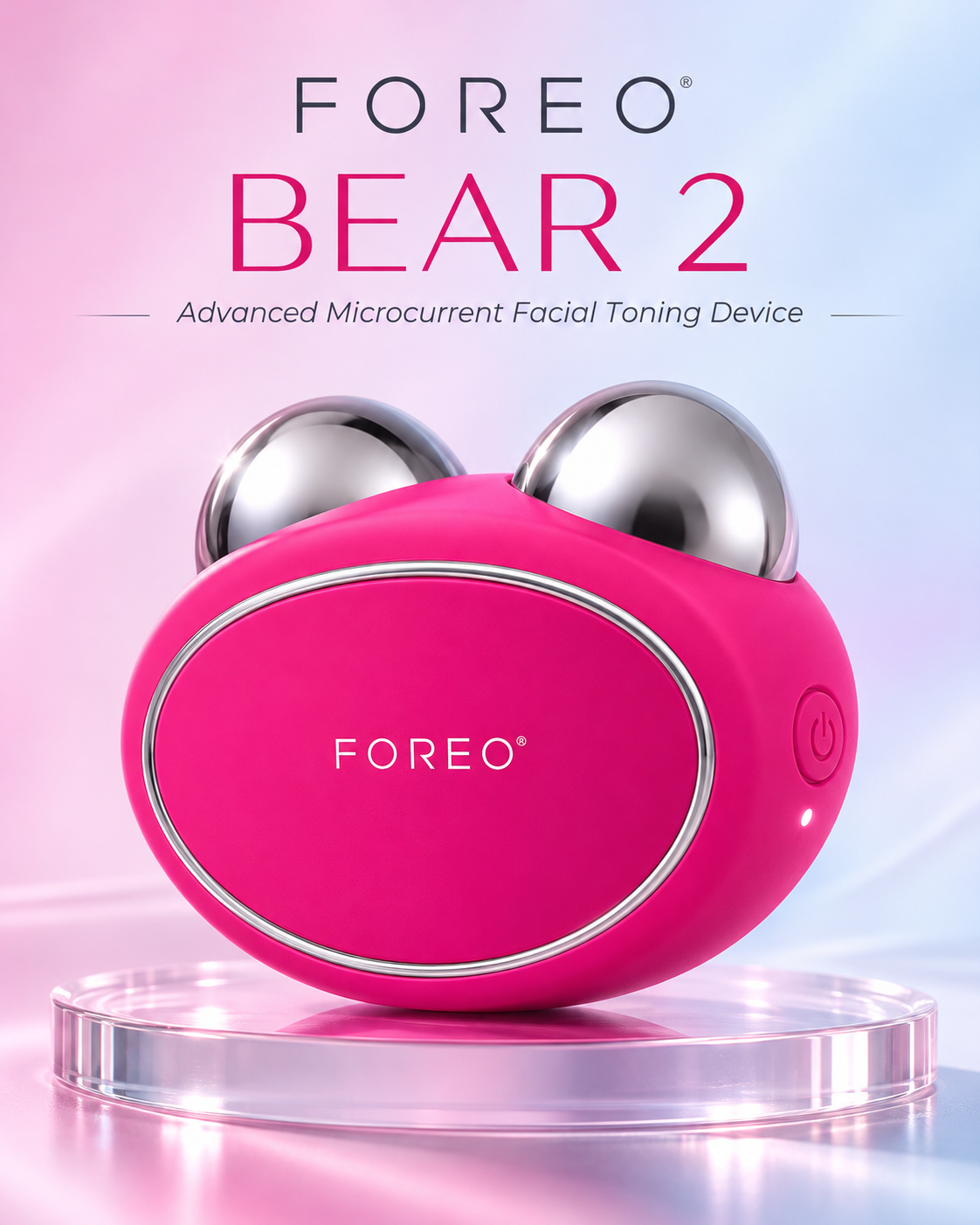
A handheld device combining multiple microcurrent patterns with mechanical pulsations. It may appeal to those looking for convenient, relatively quick facial toning treatments.
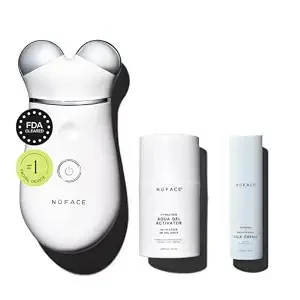
A well-known cosmetic microcurrent platform offering different treatment attachments and a relatively established regulatory history.
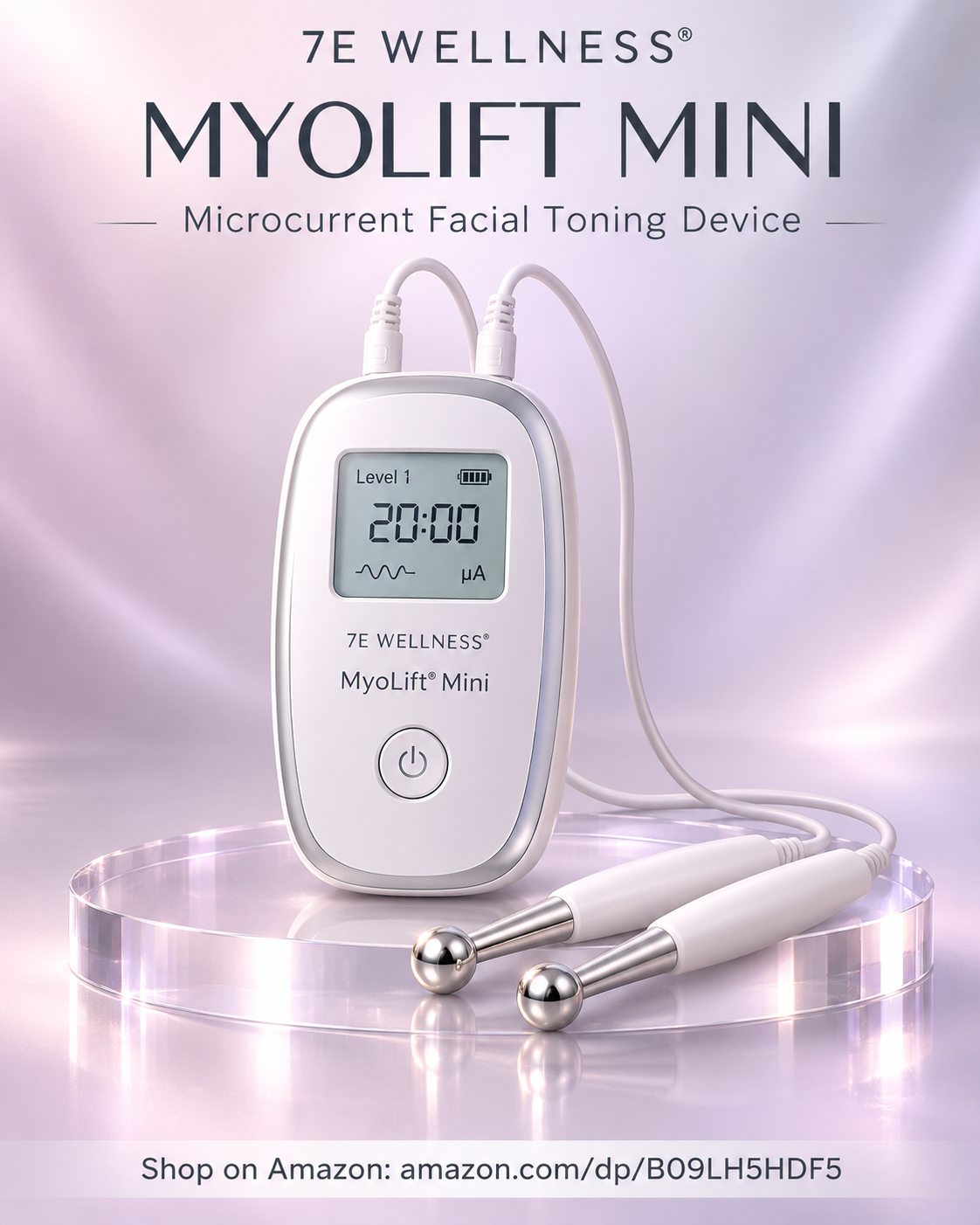
A dual-probe microcurrent system offering greater control over treatment location. Its design may appeal to individuals who prefer a more anatomically targeted approach.
However, the ability to position separate probes does not establish selective muscular recruitment or superior clinical efficacy.
These devices offer different designs and treatment experiences. What remains lacking is robust, independent, head-to-head research demonstrating that one produces greater long-term anatomical lifting than another.
4. Nanocurrent: Is Smaller Really Better?
Nanocurrent is increasingly advertised as a more sophisticated form of bioelectrical stimulation.
One microampere is equivalent to 1,000 nanoamperes.
The premise is that exceptionally small electrical currents may influence cellular communication and repair without producing conventional muscular contractions.
When we consider how extensively our cells rely on ion channels, electrical gradients and intercellular signaling, the concept is intriguing.
However, a lower current amplitude does not automatically translate into deeper penetration or a more effective cellular response.
The foundational ATP research frequently cited by electrical beauty device manufacturers involved microampere-level currents, not nanocurrent.
At present, there is insufficient high-quality human research establishing that cosmetic nanocurrent is superior to conventional microcurrent for collagen remodeling, skin rejuvenation or facial lifting.
I would consider it an interesting emerging technology, rather than a compelling reason to pay a premium for a facial device.
5. Electrical Muscle Stimulation: Can We Exercise Our Faces?
Neuromuscular electrical stimulation, or NMES, is where the concept of facial sculpting becomes particularly interesting.
Unlike primarily subsensory microcurrent, NMES can deliver electrical impulses capable of activating motor nerves and producing muscular contractions.
When those contractions are repeated at sufficient intensities and frequencies, they may stimulate physiological training adaptations.
We already utilize this principle in physical rehabilitation and other clinical settings.
Could we apply a similar concept to facial musculature?
What Does the Research Show?
A randomized controlled study published in the Journal of Cosmetic Dermatology evaluated 108 women using a facial NMES device.
Participants in the treatment group completed 20-minute sessions, five days per week, for 12 weeks.
At the conclusion of the study:
Mean zygomaticus major muscle thickness increased by 18.6%.
The untreated comparison group did not experience a similar increase.
At least 80% of treated participants perceived improved facial firmness, tone and lift, compared with fewer than 5% of untreated participants.[5]
The researchers used ultrasound to measure muscle thickness, providing an objective assessment of muscular changes.
This is particularly interesting because the zygomaticus major contributes to elevation of the corners of the mouth and facial expression.
However, an 18.6% increase in muscle thickness does not mean an 18.6% facelift.
We also do not know whether these changes persist after treatment is discontinued or how reliably they influence the resting position of the surrounding soft tissues.
Why We Don’t Necessarily Want to Strengthen Every Facial Muscle
Imagine going to the gym hoping to develop your gluteal muscles but repeatedly training your quadriceps instead.
You might certainly develop muscle, but not necessarily the physical silhouette you were hoping to achieve.
A similar consideration applies to facial EMS.
The zygomatic muscles contribute to movement of the cheeks and oral commissures. The frontalis elevates the eyebrows. The masseter, by contrast, is a powerful muscle of mastication.
Hypertrophy of the masseter can broaden the lower face and create a more square or angular facial silhouette.
In fact, clinical research has demonstrated that NMES can increase masseter thickness and bite force when appropriately dosed for muscular rehabilitation.[6]
That might be beneficial for someone with reduced chewing strength, but it is not necessarily beneficial for someone seeking a more tapered facial contour.
The possibility of unintended muscular hypertrophy is one of the reasons I am cautious about generalized facial EMS masks and inexpensive facial slimming devices that do not disclose their actual electrical parameters.
The YA-MAN Medi Lift Approach
YA-MAN has developed facial EMS masks intended to deliver different stimulation patterns to the zygomatic and masseter regions.
The manufacturer describes one program as training EMS and another as release EMS.
The idea is to condition certain facial muscles while relaxing others.
Conceptually, this is appealing.
Scientifically, however, the frequency of an electrical stimulus alone cannot determine whether a muscle will strengthen, relax or fatigue.
Current amplitude, pulse duration, contraction intensity, duty cycle and cumulative exposure all influence muscular adaptation.
I would like to see independent, device-specific imaging and electromyography studies demonstrating that these masks reliably increase zygomatic muscle thickness while reducing or preserving masseter volume.
Until then, this remains an interesting design concept rather than a proven method of selectively reshaping the face.
Emerging Research: High-Frequency Facial NMES
In 2024, researchers at Tokyo University Hospital published an eight-week controlled split-face study involving 24 women between the ages of 30 and 59.
The device utilized a proprietary high-frequency stimulation technology called CERTEC, operating between 40 and 190 kHz.
The study reported statistically significant improvements in:
Skin elasticity
Wrinkles
Jawline angle
Cheek and submental volume
Nasolabial fold depth and volume
Cutaneous blood flow[7]
These results are noteworthy because the researchers evaluated anatomical contour changes, rather than relying exclusively on subjective satisfaction.
However, the study was small, included manufacturer-affiliated investigators and did not demonstrate long-term durability.
It also did not establish exactly which tissue compartments were responsible for the observed volume changes.
Devices Worth Exploring
YA-MAN Photo PLUS Prestige SP III
Incorporates CERTEC technology and is particularly interesting in light of the high-frequency NMES research. However, the commercially available device should not automatically be considered equivalent to the exact model evaluated in the clinical study.
YA-MAN Bloom 5
Combines multiple RF and electrical stimulation technologies with a focus on facial firmness and tightening.
YA-MAN Photo PLUS Prestige Pro
A multifunctional device combining radiofrequency, electrical stimulation, light therapy and other cosmetic treatment modes.
These are intriguing technologies, but their relatively high prices should not be mistaken for proof of superior clinical outcomes.
6. Radiofrequency: Remodeling the Structural Integrity of the Skin
Radiofrequency approaches facial rejuvenation from a fundamentally different biological perspective.
Instead of primarily attempting to contract facial muscles, RF energy generates heat within tissue through its interaction with electrically conductive and dielectric biological materials.
When appropriately controlled, thermal energy may alter existing collagen architecture and initiate subsequent tissue remodeling.
This can involve fibroblast activity, changes in extracellular matrix turnover and the formation of new collagen over time.
Understanding the Thermal Dose
A radiofrequency device cannot be adequately evaluated based solely on its frequency.
A device advertised as operating at 1 MHz or 3 MHz does not necessarily deliver an effective or predictable dermal thermal dose.
The biological response depends on:
Delivered power
Tissue impedance
Electrode geometry
Depth of energy deposition
Temperature achieved
Duration of heating
Cumulative thermal exposure
Temperature monitoring and safety mechanisms
Some noninvasive RF protocols utilize surface temperatures around 40–43°C as practical monitoring targets.
However, surface temperature is not equivalent to dermal temperature, and it cannot independently establish whether sufficient collagen remodeling will occur.
There is also no universal home-treatment temperature that consumers should attempt to achieve independently.
What Does the Clinical Research Show?
A 2024 clinical study evaluated a home RF device in 22 women over eight weeks.
The researchers used ultrasound and three-dimensional skin imaging in addition to clinical wrinkle assessments.
They observed statistically significant improvements in wrinkles and an increase in ultrasound-measured dermal thickness.[8]
This is an encouraging finding because dermal thickness represents an objectively measured tissue characteristic.
However, increased thickness on ultrasound does not directly quantify newly synthesized collagen, nor does it establish significant structural facial lifting.
Home Radiofrequency Devices to Explore
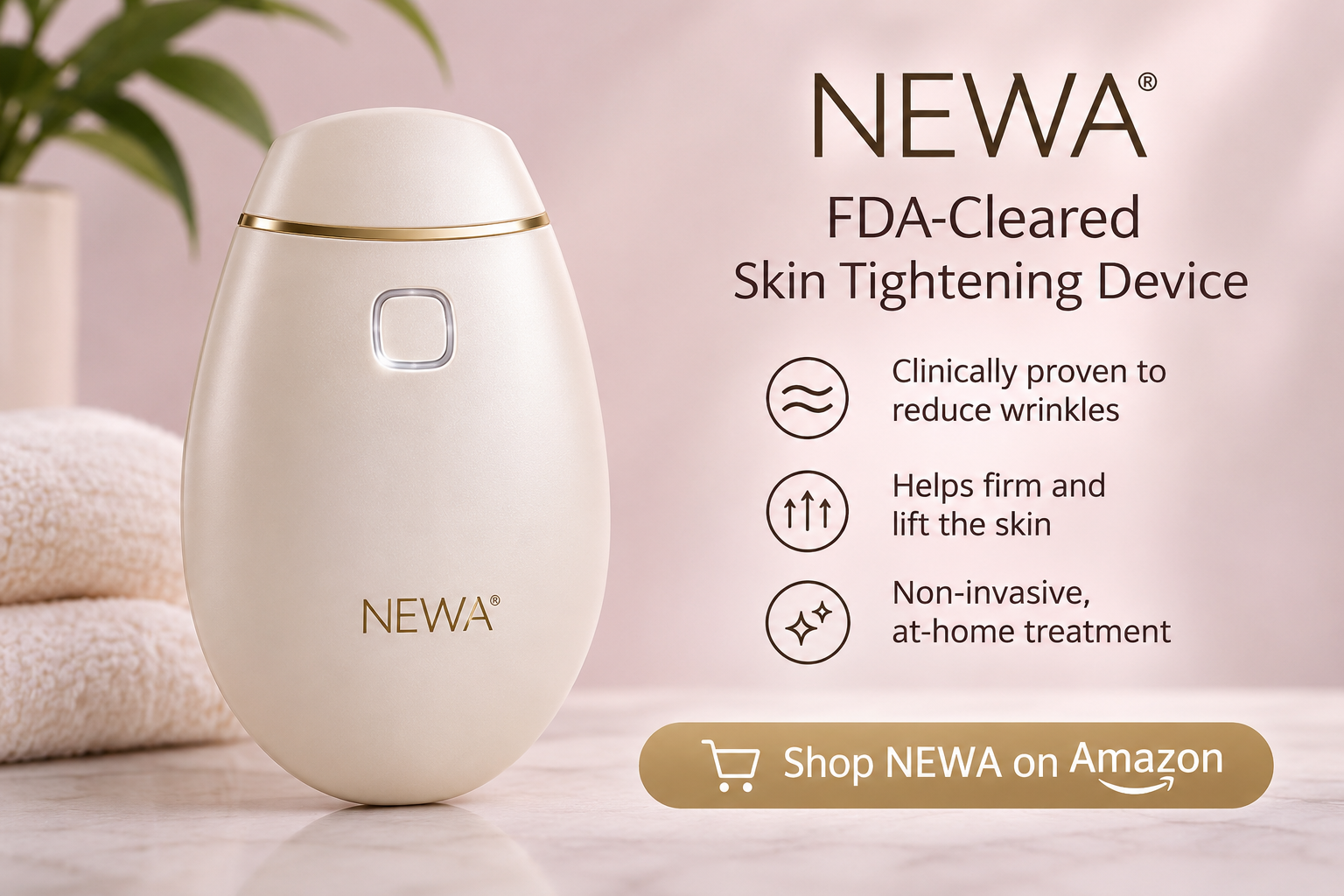
Utilizes multisource radiofrequency technology with a focus on facial wrinkles and skin firmness.
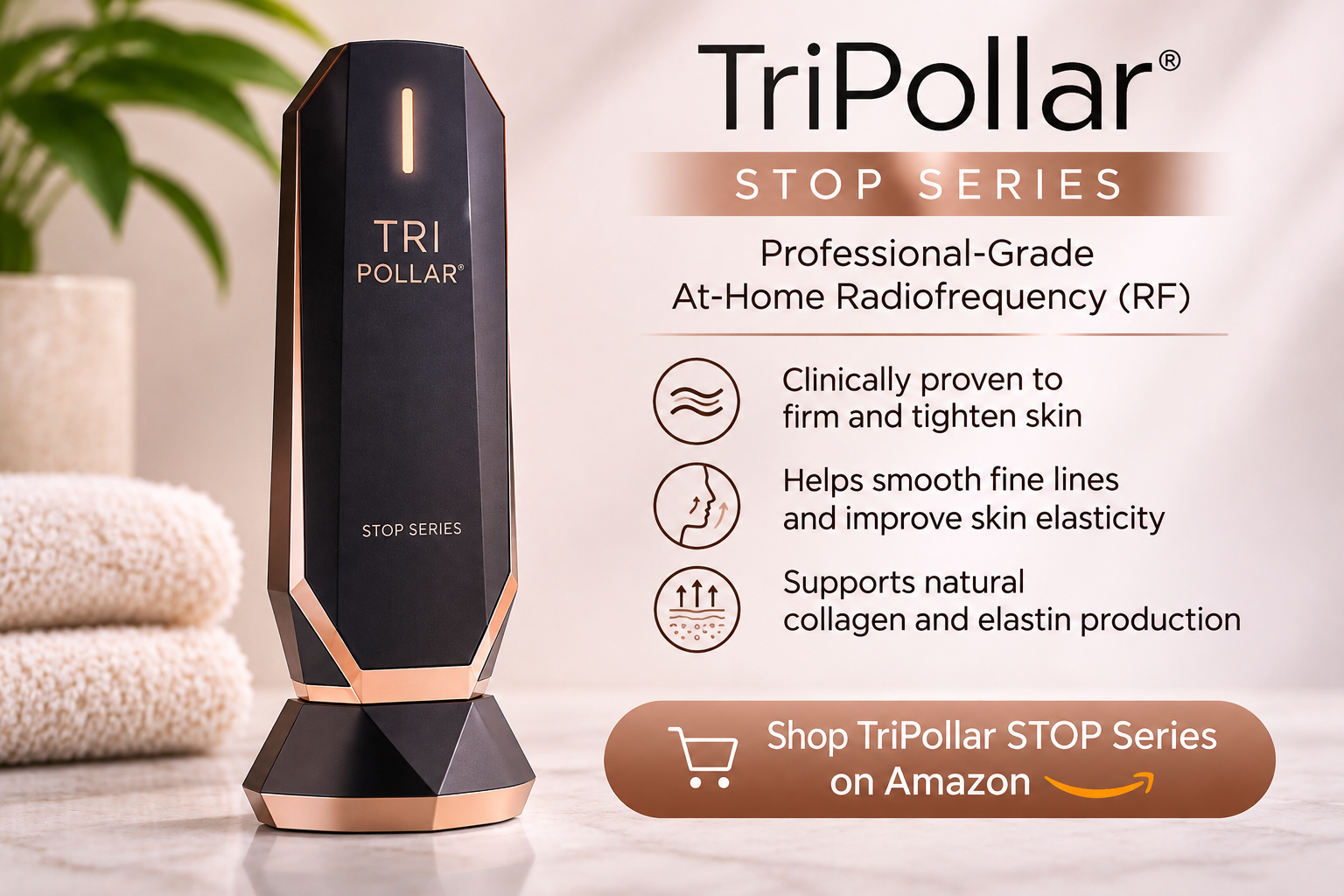
Offers multipolar RF, with certain models incorporating additional electrical muscle stimulation.
AMIRO
Offers various multifunctional home RF devices. Published research on its ABF202 hardware should not be automatically extrapolated to newer models with different electrode configurations or electrical parameters.
YA-MAN Bloom 5
Combines RF with electrical stimulation, potentially targeting both dermal and muscular characteristics, although independent evidence establishing superior combined efficacy is lacking.
Can Radiofrequency Make Your Face Look Older?
Potentially, if the wrong tissue is affected.
Certain professional RF technologies are intentionally designed to influence or reduce subcutaneous adipose tissue.
That can be desirable when a localized excess of fat is the primary concern.
But someone experiencing age-related facial volume depletion may benefit from preserving the remaining fat compartments rather than reducing them further.
It is important not to assume that every RF device damages fat. The biological effect depends on energy delivery, depth, treatment design and thermal exposure.
Nevertheless, I would favor a conservative approach that supports the quality of the dermis without indiscriminately targeting subcutaneous volume.
For the same reason, I would be particularly cautious about inexpensive home devices marketed as high-intensity focused ultrasound, or HIFU. Uncontrolled or inappropriate focused ultrasound exposure can cause unwanted fat loss, thermal injury and nerve damage.
Sometimes, less really is more.
7. Red and Near-Infrared Light Therapy: Supporting Cellular Function
Of all the technologies discussed, photobiomodulation is particularly fascinating from a cellular biology perspective.
Our cells are capable of responding to light.
Photobiomodulation utilizes specific wavelengths of nonionizing light at carefully selected doses to influence biological activity.
Unlike RF, its primary objective is not to generate a substantial thermal response.
Unlike NMES, it does not intentionally stimulate muscular contractions.
Instead, it interacts with cellular signaling pathways.
What Is Happening at the Mitochondrial Level?
One proposed mechanism for red and near-infrared photobiomodulation involves interactions with mitochondrial photoacceptors, including cytochrome c oxidase.
This enzyme is part of the mitochondrial electron transport chain and plays a role in oxidative phosphorylation.
Light exposure under appropriate conditions may influence:
Mitochondrial membrane potential
ATP production
Nitric oxide signaling
Reactive oxygen species signaling
Inflammatory pathways
Cellular stress responses
Fibroblast activity
However, photobiomodulation is mechanistically complex. Different wavelengths may interact with different molecules, and not every observed biological effect can be attributed to cytochrome c oxidase.
The objective is not simply to force our cells to produce more energy. It is to influence signaling in ways that may support their normal adaptive and reparative functions.
Which Wavelengths Are Most Interesting for Skin Rejuvenation?
Red light, approximately 630–660 nm
Extensively studied in relation to skin rejuvenation, inflammatory signaling and fibroblast activity.
Near-infrared light, approximately 810–850 nm
Frequently investigated for tissue repair and photobiomodulation involving deeper tissue interactions.
Longer near-infrared wavelengths, including 1072 nm
An emerging area of interest with potential applications in cellular stress responses and tissue repair.
However, there is insufficient evidence that adding 1072 nm to a well-dosed red and conventional near-infrared device necessarily produces superior skin tightening.
Longer wavelengths do not invariably penetrate deeper. Absorption, scattering, tissue composition and the physical properties of the light source all influence energy distribution.
Why More LEDs Are Not Necessarily Better
Some devices contain 100 LEDs. Others contain several hundred.
But what matters is the light delivered to the tissue.
Two particularly important measurements are:
Irradiance: The optical power delivered per unit area, typically expressed in mW/cm².
Fluence: The energy delivered per unit area during a treatment, typically expressed in J/cm².
For example, a device delivering a continuous irradiance of 30 mW/cm² for 10 minutes would theoretically deliver 18 J/cm².
This calculation assumes that the advertised irradiance accurately reflects the combined optical output reaching the treatment surface.
Actual exposure may vary with device fit, LED distance, pulsing and uniformity of distribution.
Photobiomodulation can also exhibit a biphasic dose-response relationship. Insufficient exposure may accomplish very little, while excessive exposure may diminish the desired biological response.
More energy is not automatically better.
What Can We Reasonably Expect From LED Therapy?
Current research supports photobiomodulation as a promising adjunct for improving aspects of:
Fine lines
Skin texture
Elasticity
Inflammatory signaling
Skin barrier function
Overall skin quality
Evidence for substantial anatomical lifting is much weaker.
I would therefore think of red light therapy as a way of potentially supporting the quality and resilience of the envelope, not rebuilding the entire package underneath it.
Popular facial devices include the Omnilux Contour FACE, CurrentBody LED facial masks, iRESTORE Illumina and Therabody TheraFace Mask.
Their specific wavelengths, dosing protocols and supporting clinical studies vary.
8. Beyond the Face: Don’t Forget Your Neck and Décolleté
This brings me back to the conversation with my mom.
How many of us spend years diligently applying facial skincare products while stopping somewhere around the mandibular border?
Meanwhile, the neck and upper chest continue to accumulate ultraviolet exposure.
These areas have anatomical differences in skin thickness, adnexal density and underlying structural support that can make them particularly vulnerable to visible aging and less forgiving of aggressive resurfacing treatments.
Common concerns include:
Crepey skin
Horizontal neck lines
Loss of elasticity
Redness
Mottled pigmentation
Poikiloderma of Civatte
Fine lines across the upper chest
Progressive changes in neck contour
Photobiomodulation is particularly appealing here because it offers a nonablative approach that does not intentionally disrupt the epidermal barrier.
Is There Actual Research on LED Therapy for Neck Wrinkles?
Yes.
A multicenter, randomized, double-blind, sham-controlled clinical trial published in 2025 specifically evaluated a home-use LED neck device.
Seventy participants were enrolled.
The active device utilized:
630 nm red light at 14 mW/cm²
850 nm near-infrared light at 8 mW/cm²
Participants completed nine-minute sessions, five times weekly, over 12 weeks.
The calculated combined fluence was approximately 11.88 J/cm² per treatment, assuming continuous simultaneous delivery at the stated intensities.
The investigators found evidence supporting the device’s ability to improve neck wrinkles.[9]
Importantly, this supports the general application of appropriately dosed red and near-infrared photobiomodulation to cervical skin. It does not establish that every commercially available neck mask delivers equivalent results.
Comparing Popular Neck and Décolleté Devices
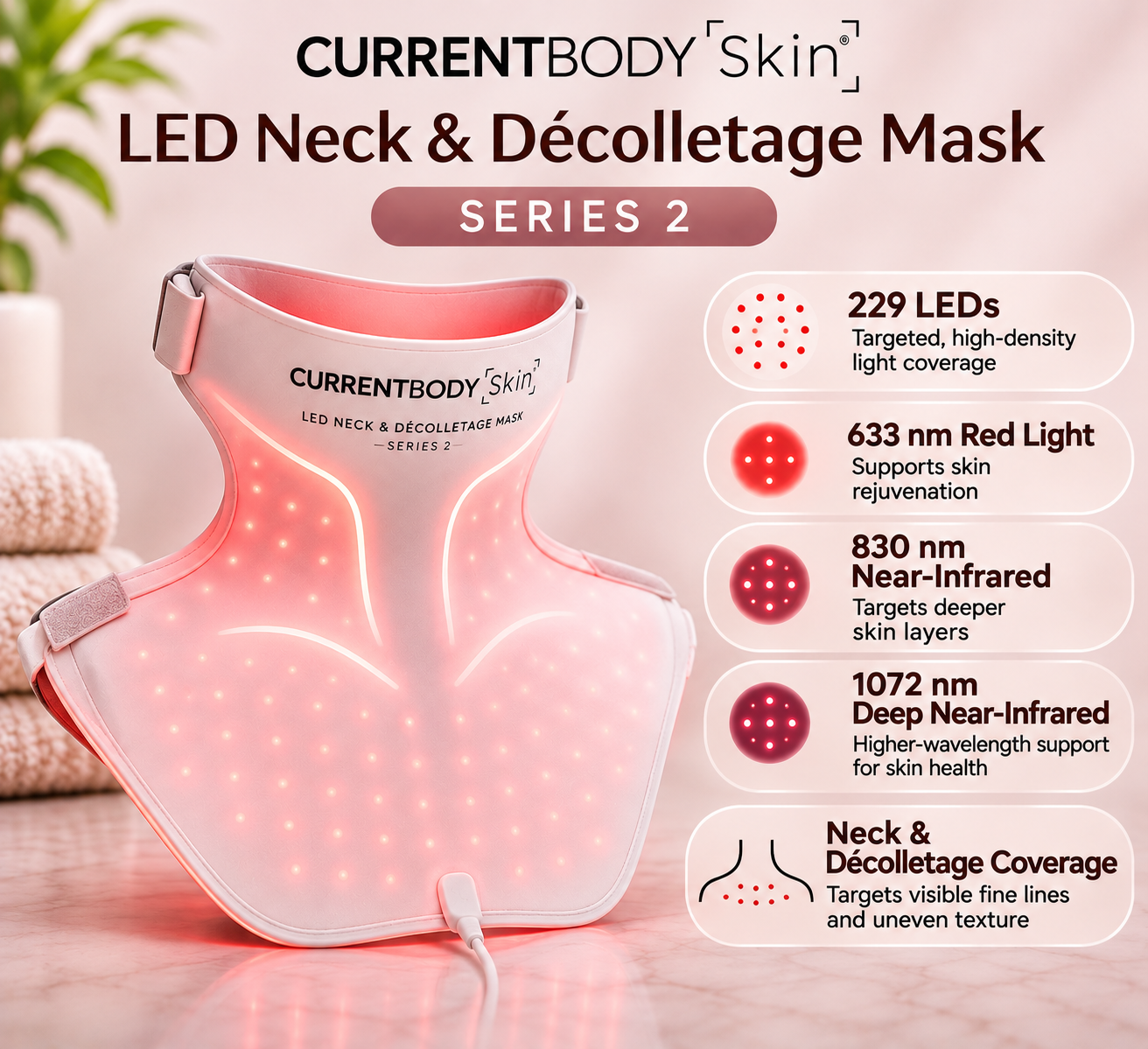
CurrentBody Skin LED Neck & Décolletage Mask Series 2
CurrentBody’s Series 2 technology combines three wavelengths:
633 nm red light
830 nm near-infrared light
1072 nm longer-wavelength near-infrared light
The manufacturer specifies a combined irradiance of approximately 30 mW/cm² and a 10-minute treatment protocol.
That corresponds to a nominal fluence of 18 J/cm² per treatment.
What interests me most about this device is its relatively transparent optical specifications and its emphasis on dedicated photobiomodulation.
The additional 1072 nm wavelength is scientifically interesting, although clinical superiority over two-wavelength devices has not been established.
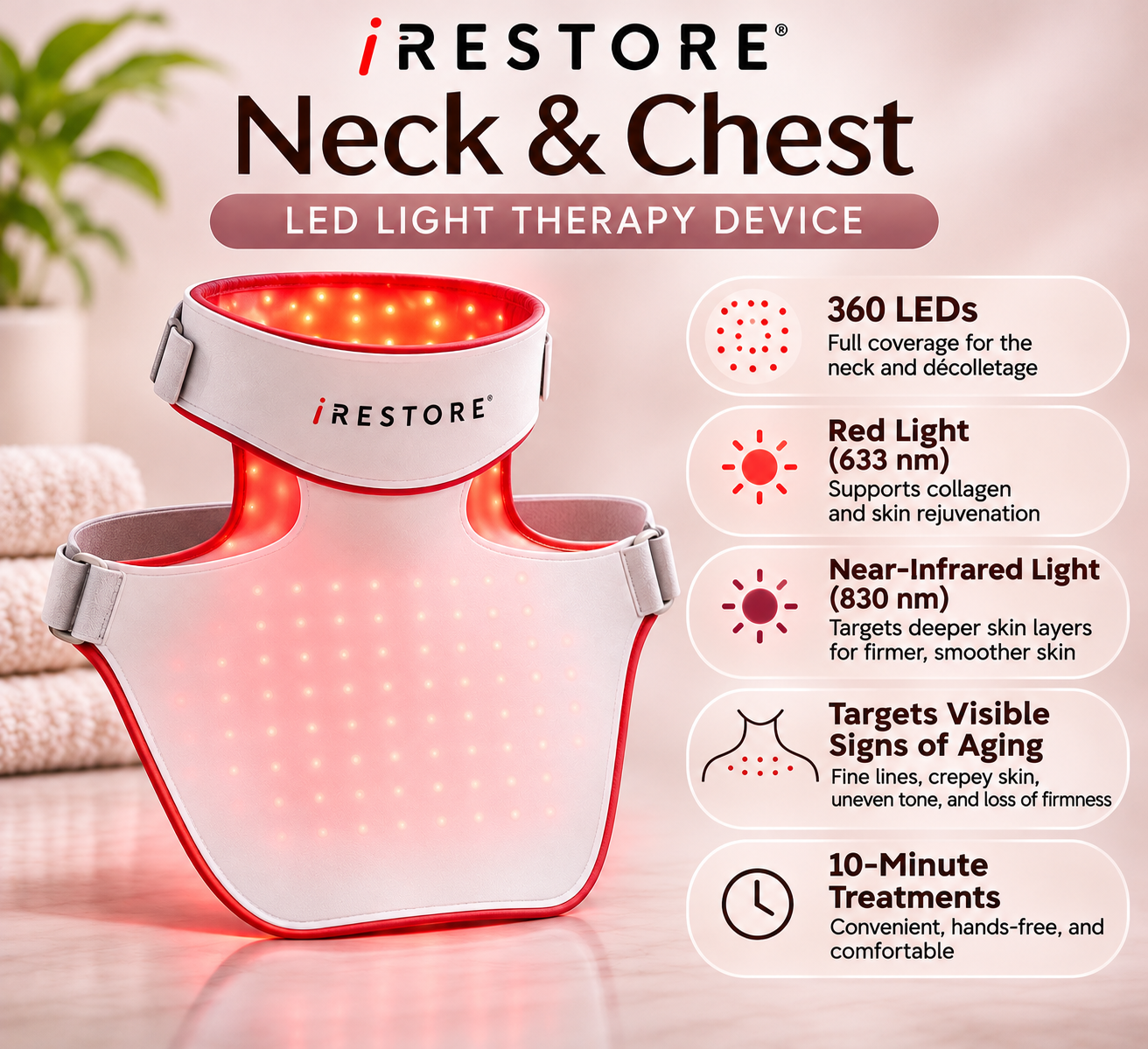
iRESTORE Illumina Neck & Chest Mask
The iRESTORE device also utilizes conventional red and near-infrared wavelengths:
635 nm red light
830 nm near-infrared light
A 10-minute treatment protocol
A device-specific clinical study has been registered to evaluate changes in neck and chest skin appearance.[10]
I would like to see full published results, including objective skin biomechanical measurements and independently characterized optical output, before concluding that it is more effective than competing devices.
Nevertheless, it is another interesting option for consumers comparing treatment coverage, convenience and cost.
Neck and Chest Device Comparison
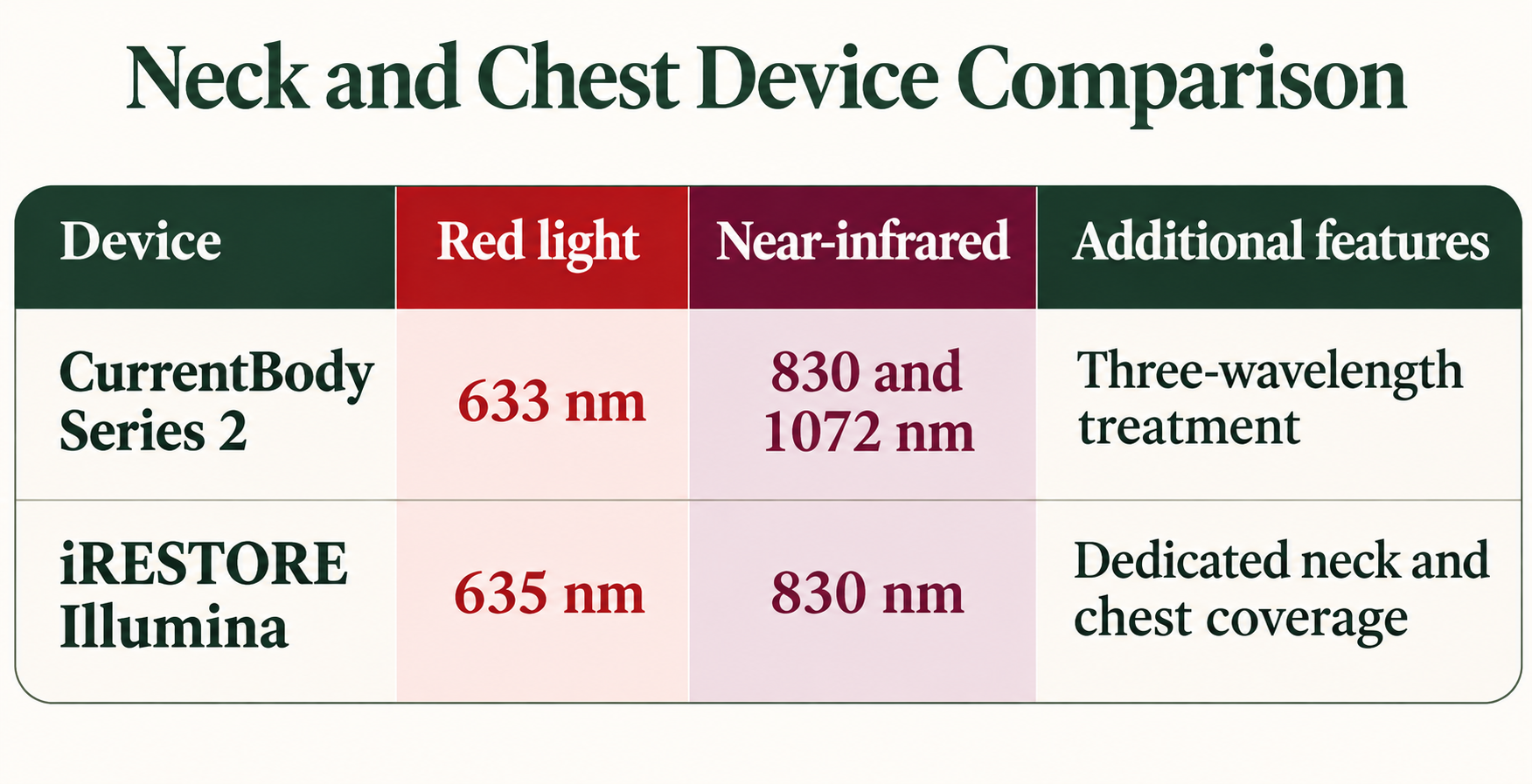
The differences between 633 and 635 nm are unlikely to be clinically significant in isolation.
The more important considerations are appropriate energy delivery, consistent treatment coverage, tolerability, clinical evidence and whether the device is comfortable enough that you will actually use it.
After all, the best device in the world will accomplish very little if it lives in your bathroom cabinet next to your barely used tretinoin.
Sorry, Mom.
9. Facial Massage, Gua Sha and Inexpensive Sculpting Devices
Not every tool for improving facial appearance needs to involve sophisticated technology.
Manual facial massage, gua sha, facial rollers and vibrating massage devices may influence superficial fluid distribution and temporarily relieve muscular tension.
This can be particularly noticeable in individuals who experience morning puffiness or transient facial edema.
However, temporary redistribution of interstitial fluid is not the same as permanent fat loss or structural lifting.
Inexpensive electronic V-line masks are also increasingly popular. Many claim to combine electrical stimulation, vibration, compression or LED therapy to improve jawline definition.
Before purchasing one, I would want to know:
Does it actually deliver electrical stimulation?
Is the output sufficient to recruit motor nerves?
What are its waveform and pulse characteristics?
Does it disclose optical irradiance if it incorporates LED therapy?
Has the exact device undergone clinical testing?
Which anatomical regions does it stimulate?
A device advertising 12 intensity settings is not necessarily superior to one offering three.
Without knowing the physiological meaning of those settings, they are simply numbers.
I would also avoid modifying electrode positions or wearing electrical devices over anatomical regions for which they were not designed.
10. Choosing a Device Based on Your Anatomy
Rather than asking which device is best, I think we should ask a more useful question.
What anatomical change are we actually trying to influence?
If Your Skin Is Beginning to Feel Thin or Crepey
Your primary concern may be the quality of the dermal extracellular matrix and epidermal barrier.
Technologies worth exploring:
Red and near-infrared photobiomodulation
Appropriately controlled home radiofrequency
Evidence-based topical skincare
These treatments may help support skin quality, although substantial redundant skin is unlikely to respond adequately.
If Your Cheekbones Appear Less Defined
This could reflect several different factors, including deep fat volume depletion, skeletal remodeling, superficial tissue changes or altered muscular characteristics.
Targeted electrical muscle stimulation is an intriguing option, but its ability to restore resting malar projection remains unproven.
I would be particularly cautious about intentionally reducing cheek fat without understanding the underlying cause of the contour change.
If Your Lower Face Appears Broader
The apparent widening could involve masseter hypertrophy, changes in fat distribution, edema or underlying skeletal anatomy.
Generalized EMS may not be appropriate if masseter enlargement is the primary contributor.
A professional evaluation can help distinguish muscular prominence from other anatomical causes.
If You Are Developing Jowls
Jowling may reflect changes in several structures simultaneously, including the mandible, retaining ligaments, fat compartments and overlying skin.
Conservative RF or photobiomodulation may improve certain characteristics of the skin envelope.
However, established structural descent is unlikely to be meaningfully reversed by a home facial device alone.
If Your Neck Has Prominent Vertical Bands
These may reflect platysmal activity and age-related changes in its appearance.
Neuromodulator treatment may help appropriately selected individuals.
However, if substantial skin redundancy or deeper structural changes coexist, relaxing the platysma may produce little visible improvement.
Just ask my mom.
If Your Primary Concern Is Discoloration
Uneven coloration requires an entirely different treatment strategy from structural lifting.
Melasma, solar lentigines, postinflammatory hyperpigmentation, vascular redness and poikiloderma are different conditions with different biological mechanisms.
Although light-based technologies may influence certain inflammatory and pigmentary pathways, a red light mask is not equivalent to a pigment-specific laser or intense pulsed light treatment.
Heat and some visible wavelengths can also aggravate pigmentation in susceptible individuals.
Identify what you are treating before selecting a device.
If You Want to Maintain the Results of Professional Procedures
This is an area of particular interest to me.
Supporting skin quality between professional treatments is biologically plausible, especially through photoprotection, consistent topical therapy and selected noninvasive technologies.
However, studies establishing that a particular home device significantly prolongs the results of radiofrequency microneedling, laser resurfacing, injectable treatments or facelift surgery remain limited.
I would approach home devices as potential adjuncts, not as proven methods of extending procedural results.
Always obtain guidance from your treating clinician before introducing a device following a professional procedure.
11. My Evidence-Based Beauty Technology Shopping Guide
Rather than selecting one universal winner, I would organize these devices according to their intended biological targets.
For Supporting Skin Quality and Healthy Aging
Devices to explore:
CurrentBody LED Face Mask Series 2
Omnilux Contour FACE
iRESTORE Illumina
Therabody TheraFace Mask
Primary target: Cellular signaling and skin quality.
Realistic expectations: Gradual improvements in fine lines, texture and potentially skin elasticity.
What not to expect: A nonsurgical facelift or restoration of lost facial volume.
For the Often-Neglected Neck and Décolleté
Devices to explore:
CurrentBody Neck & Décolletage Series 2
Therabody Neck & Chest LED
Omnilux Contour Neck & Décolleté
iRESTORE Neck & Chest Mask
Primary target: Skin quality, texture, wrinkles and biomechanical characteristics.
Realistic expectations: Subtle, gradual rejuvenation with consistent use.
What not to expect: Correction of substantial redundant cervical skin.
For Cosmetic Toning and Targeted Electrical Stimulation
Devices to explore:
MyoLift Mini
FOREO BEAR 2
NuFACE Trinity+
Primary target: Cosmetic electrical stimulation and modulation of facial appearance.
Realistic expectations: Potential subtle toning and temporary improvements in contour.
What not to expect: Proven restoration of retaining ligament function or significant anatomical repositioning.
For Facial Muscle Conditioning
Devices to investigate:
YA-MAN Medi Lift PLUS
YA-MAN devices incorporating high-frequency facial EMS technology
Primary target: Facial neuromuscular activity.
Realistic expectations: Potential measurable muscular adaptations with appropriate stimulation.
What not to expect: Guaranteed selective strengthening of facial elevator muscles without affecting neighboring musculature.
For Dermal Firmness and Collagen Remodeling
Devices to investigate:
NEWA
TriPollar STOP Series
AMIRO RF devices
YA-MAN Bloom 5
Primary target: Controlled thermal tissue responses.
Realistic expectations: Potential modest improvements in wrinkles and skin firmness.
What not to expect: Surgical-level lifting or reliable restoration of skeletal and ligamentous support.
For Gentle Massage and Temporary De-Puffing
Options to explore:
Facial rollers
Gua sha tools
Gentle mechanical facial massage devices
Primary target: Temporary fluid redistribution and relaxation.
Realistic expectations: Subtle, transient changes in puffiness and facial appearance.
What not to expect: Permanent fat loss or structural tissue remodeling.
12. How I Evaluate a Device Before Buying It
The healthcare provider and science enthusiast in me wants to understand what a device actually delivers before investing in it.
Here are the questions I encourage you to consider:
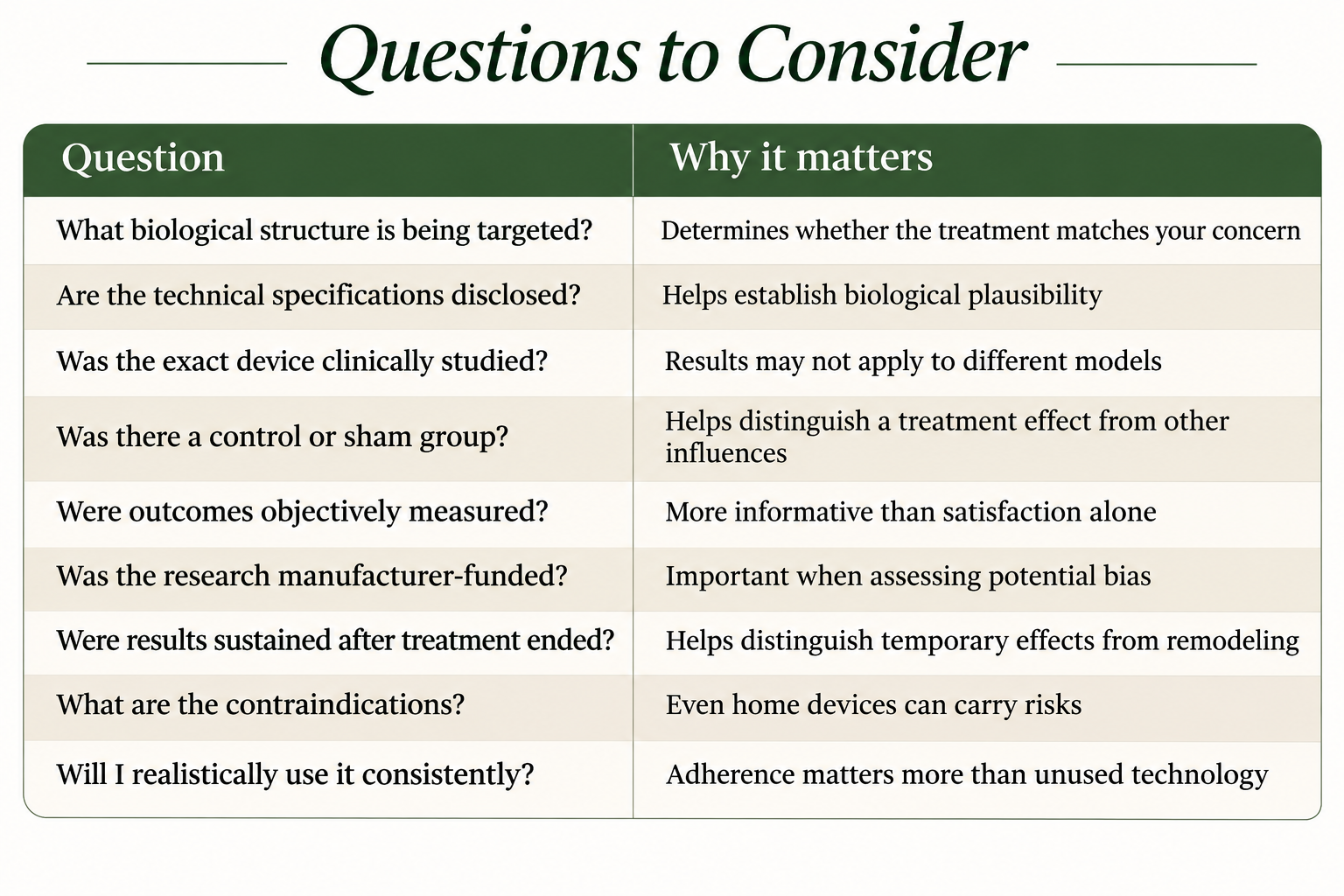
Once again:: Adherence matters more than unused technology
I also pay close attention to the way results are reported.
For example, a study might report an increase in gross skin elasticity alongside a decrease in an instrument-measured firmness parameter.
A negative number might initially sound undesirable. Yet when the instrument measures skin deformation, a lower value may represent greater resistance to deformation and therefore improved firmness.
Similarly, a reduction in transepidermal water loss may indicate improved barrier function.
The direction of the number means very little without understanding what is being measured.
I also distinguish between percentages reflecting changes in clinical grading, objective instrument measurements and participant satisfaction.
A statement that 90% of participants perceived improvement does not mean that their wrinkles improved by 90%.
And an improvement in a skin elasticity parameter does not independently prove an equivalent percentage increase in collagen.
These distinctions matter when evaluating advertising claims.
13. Creating a Sustainable Maintenance Routine Without Overtreating
One of the biggest mistakes we can make in pursuing healthy skin is believing that more intervention necessarily produces better results.
Our tissues require time to recover, adapt and remodel.
Repeatedly introducing thermal, mechanical or chemical stress without appropriate recovery may instead compromise the skin barrier and increase inflammation.
You do not need every device discussed in this article.
Start with the fundamentals.
The Daily Foundation
Broad-spectrum sun protection
Daily SPF 30 or higher, protective clothing, shade and avoidance of tanning remain foundational to preventing cumulative ultraviolet damage.
And remember to extend that protection to the neck, ears, upper chest and hands.
Evidence-based topical skincare
Prescription retinoids, when appropriate and tolerated, have substantially stronger evidence for photoaging than many expensive cosmetic formulations.
Introduce them gradually and use them under appropriate clinical guidance, particularly on the more sensitive skin of the neck and chest.
A well-formulated moisturizer can also support barrier function and improve hydration.
Adequate nutrition
Collagen synthesis, tissue repair, mitochondrial function and antioxidant defenses all depend on sufficient nutritional resources.
Ensure adequate dietary protein, vitamin C and appropriate micronutrient intake.
Correct identified nutritional deficiencies rather than assuming that excessive supplementation will improve skin aging.
Movement and skeletal health
Regular resistance exercise, weight-bearing activity and appropriate attention to bone health support our overall musculoskeletal system as we age.
Although these practices have not been proven to prevent localized facial skeletal remodeling, their broader health benefits are well established.
Restorative sleep and stress management
Our skin is part of an integrated physiological system.
Chronic stress, inadequate sleep, metabolic dysfunction, smoking and other environmental exposures can influence inflammatory signaling, tissue repair and barrier function.
Supporting whole-body health remains an important component of healthy skin aging.
Introducing Beauty Technology
If you are considering your first home device, choose one that aligns with your primary goal.
For someone beginning to notice fine lines, crepiness or changes in skin quality, red and near-infrared light therapy may be a reasonable technology to explore.
For someone whose primary concern is mild skin laxity, an appropriately designed RF device may be worth discussing with a qualified clinician.
For those particularly interested in facial muscular conditioning, electrical stimulation is an emerging area with intriguing but incomplete evidence.
There is no established advantage to using all three simultaneously.
Follow the exact treatment protocol for the device you select rather than attempting to construct a more aggressive treatment schedule.
Document your progress with standardized photographs taken under the same lighting, camera distance, facial expression and angle.
Give the treatment an appropriate period of time before evaluating its effect.
Many studies assess outcomes after eight to 12 weeks rather than after a single treatment.
And be willing to discontinue a treatment that is not producing a meaningful benefit.
A Word About Safety
Home-use devices are not automatically appropriate for everyone.
Electrical stimulation and RF devices may be contraindicated in individuals with implanted medical devices, cardiac rhythm disorders, certain implants, neurological conditions and other medical concerns.
Light-based treatments may require special consideration in individuals with photosensitivity disorders, certain medications or other relevant conditions.
Pregnancy, active skin disease, impaired sensation and recently performed aesthetic procedures may also affect treatment suitability.
Review the contraindications for the exact device, follow its intended anatomical treatment zones and seek individualized medical guidance when appropriate.
Aging With Intention
I don’t believe that healthy aging requires us to constantly fight against the natural passage of time.
Our changing faces reflect years of expression, experiences, laughter, challenges and beautiful moments in our lives.
But I also believe that understanding our biology gives us the opportunity to make more intentional choices about how we care for ourselves.
Just as I want to preserve my skeletal health, muscular strength, cardiovascular function and cognitive abilities as I age, I also want to support the health and resilience of my skin.
What fascinates me about these technologies is the possibility of engaging some of our body’s own biological processes rather than simply attempting to conceal the visible evidence of aging.
Can we support fibroblast function?
Can we improve skin barrier resilience?
Can we appropriately condition certain facial muscles?
Can we influence cellular signaling and tissue remodeling?
The research suggests that some of these objectives are achievable to varying degrees. Other possibilities remain scientifically intriguing but insufficiently established.
The distinction is important.
We cannot expect an LED mask to rebuild our facial skeleton, a microcurrent wand to restore lost fat compartments or a cream to function as a surgical neck lift.
But we may be able to support certain aspects of our biology earlier and more consistently.
And perhaps that is where the greatest value of at-home aesthetic technology lies.
Not in waiting until we have significant anatomical changes and then searching for a miracle cream.
But in understanding what we are trying to preserve while we still have a little more runway.
As for my mom?
I’m still hoping she’ll start using her tretinoin.
Consistently.
Be curious. Be informed. Choose intentionally.
Elemental Healing Solutions
Scientific References and Further Reading
Facial anatomy and skeletal aging
The Facial Aging Process From the “Inside Out.” 2021.
https://pmc.ncbi.nlm.nih.gov/articles/PMC8438644/Facial bone aging: An update and literature review. 2026.
https://pmc.ncbi.nlm.nih.gov/articles/PMC12914125/Boehm LM, Morgan A, Hettinger P, Matloub HS. Facial Aging: A Quantitative Analysis of Midface Volume Changes over 11 Years. Plastic and Reconstructive Surgery. 2021;147(2):319–327.
https://pubmed.ncbi.nlm.nih.gov/33165293/
Microcurrent and neuromuscular electrical stimulation
Cheng N, et al. The effects of electric currents on ATP generation, protein synthesis, and membrane transport of rat skin. Clinical Orthopaedics and Related Research. 1982.
https://pubmed.ncbi.nlm.nih.gov/7140077/Use of a neuromuscular electrical stimulation device for facial muscle toning: A randomized, controlled trial. Journal of Cosmetic Dermatology. 2012.
https://pubmed.ncbi.nlm.nih.gov/23174048/Clinical research evaluating neuromuscular electrical stimulation, masseter muscle thickness and bite force in older adults.
https://pmc.ncbi.nlm.nih.gov/articles/PMC7312302/Omatsu J, et al. Neuromuscular electrical stimulation for facial wrinkles and sagging: The 8-week prospective, split-face, controlled trial in Asians. Journal of Cosmetic Dermatology. 2024;23:3222–3233.
https://pubmed.ncbi.nlm.nih.gov/38992992/
Radiofrequency
Ai X, et al. Efficacy and safety of a noninvasive, home-based radiofrequency device for facial rejuvenation: An open-label, intraindividual controlled trial. Journal of Cosmetic Dermatology. 2024;23:862–868.
https://pubmed.ncbi.nlm.nih.gov/37942722/
Photobiomodulation
Park SO, et al. Efficacy and Safety of a Home-Use Light-Emitting Diode Neck Device for Improvement in Neck Wrinkles: A Multicenter, Randomized, Double-Blind, Sham Device, Superiority Verification, Confirmatory Clinical Trial. Journal of Cosmetic Dermatology. 2025;24:e16599.
https://pmc.ncbi.nlm.nih.gov/articles/PMC11743241/iRESTORE Neck and Chest clinical study registration. ClinicalTrials.gov. NCT07025837.
https://clinicaltrials.gov/study/NCT07025837
Medical disclaimer: This article is intended for educational and informational purposes only. It does not establish a provider-patient relationship and is not a substitute for individualized medical evaluation, diagnosis or treatment. Product examples are provided for educational comparison and do not constitute individualized treatment recommendations.